June 1, 2026

Branding

Branding iron name sets the stage for this enthralling narrative, offering readers a glimpse into a story that is rich in detail and brimming with originality from the outset. This guide delves into the fascinating world of branding irons, exploring their significance across various industries, the evolution of these tools, and the art of crafting distinctive branding iron names that resonate with consumers.

From understanding the different types of branding irons to exploring customization options and best practices, this overview encapsulates the crucial elements that contribute to successful branding and marketing strategies. By examining case studies of successful branding iron usage, you will discover how impactful a well-chosen branding iron name can be in establishing a lasting brand identity.

Understanding Branding Irons

Branding irons are tools used to create a permanent mark on an object, typically made of metal and heated to a high temperature. Their primary uses range from marking livestock to personalizing products or creating unique identifiers for various items. The practice of branding has deep roots in human history, serving both practical and symbolic purposes across different cultures.Branding plays a crucial role in many industries, as it establishes a brand’s identity, enhances product recognition, and fosters customer loyalty.

In sectors such as agriculture, manufacturing, and even the culinary arts, branding helps convey quality and authenticity, distinguishing products in a competitive market. This significance underscores why understanding branding techniques is essential for business success.

History of Branding Irons

The history of branding irons can be traced back to ancient civilizations, where they were initially used to identify livestock. The use of heat to create marks dates back thousands of years, with evidence found in Egyptian hieroglyphics and Roman texts. Over time, the technology and materials used in manufacturing branding irons evolved significantly.In the Middle Ages, blacksmiths began producing more intricate designs, allowing for greater personalization of brands.

Branding became more widespread with the advent of the Industrial Revolution, as companies sought to establish their identities in a rapidly growing marketplace. This period saw the shift from simple iron brands to more complex designs, including logos and trademarks.Today, branding irons come in various forms, including electric and custom-made options, catering to different markets and needs. The evolution of branding irons reflects broader trends in branding and marketing, as they adapt to contemporary demands while retaining their fundamental purpose of creating lasting impressions.

Different Types of Branding Irons

Branding irons come in various forms, each designed to meet specific needs and preferences. Understanding the differences among these types can help users choose the right branding iron for their application, whether it’s for commercial, craft, or personal use. The market offers a range of options, from traditional manual irons to modern electric variants, and each type boasts unique characteristics that cater to different branding requirements.

Types of Branding Irons

There are several types of branding irons available, each serving a unique purpose. Understanding these types can assist users in selecting the right tool for their specific tasks. Below are the primary categories of branding irons:

  • Manual Branding Irons: Typically made from solid steel, these irons require a heat source like a torch or fire. They are favored for their simplicity and reliability, offering a traditional approach to branding, especially in small-scale operations or crafts.
  • Electric Branding Irons: Designed for efficiency, these irons are electrically heated, offering consistent temperature control. They are ideal for larger operations that require rapid branding and can accommodate various designs, making them popular in commercial settings.
  • Custom Branding Irons: Tailored to meet specific branding needs, these irons can be created with unique logos or designs for businesses looking to add a personal touch to their products.

Materials Used for Making Branding Irons

The materials used in constructing branding irons play a crucial role in their performance and durability. Different materials offer varying levels of heat retention and resistance, impacting the branding quality. Key materials include:

  • Steel: The most common material for branding irons, steel is strong and retains heat well, ensuring clear and lasting impressions.
  • Brass: Known for its excellent thermal conductivity, brass allows for even heat distribution, making it a suitable choice for custom branding needs.
  • Aluminum: Although less common, aluminum branding irons are lightweight and heat up quickly, making them easy to handle, but they may not retain heat as effectively as steel or brass.

Differences Between Electric and Manual Branding Irons

The choice between electric and manual branding irons can significantly affect branding operations. Each type has distinct advantages and disadvantages that suit different user needs and environments.

  • Heating Method: Manual branding irons rely on external heat sources, such as fire or a torch, whereas electric branding irons have built-in heating elements that provide immediate and consistent heat.
  • Ease of Use: Electric branding irons are generally easier to operate, as they require minimal setup and can maintain a steady temperature, while manual irons require more attention to ensure they are adequately heated.
  • Speed and Efficiency: Electric branding irons can produce marks more quickly due to their ability to maintain consistent heat, making them preferable in high-volume branding scenarios.
  • Portability: Manual branding irons are often more portable, as they do not require an electrical outlet, making them suitable for on-site branding tasks.

“Choosing the right branding iron can significantly impact the quality and efficiency of your branding efforts.”

Crafting a Unique Branding Iron Name

Creating a memorable branding iron name is pivotal for establishing a strong brand identity. A well-crafted name not only reflects the essence of the brand but also resonates with the target audience. Therefore, it is essential to invest time and creativity into the naming process to ensure it captures attention and fosters recognition.The significance of a branding iron name lies in its ability to communicate the values and mission of a brand succinctly.

It serves as the first point of contact between the brand and its consumers, making it essential for the name to be unique and engaging. An effective branding iron name can evoke emotions, convey authority, and create a lasting impression, ultimately influencing consumer perception and loyalty.

Guidelines for Generating Catchy and Memorable Branding Iron Names

When brainstorming for branding iron names, certain guidelines can enhance the creativity and effectiveness of the process. Here are several key points to consider that can significantly shape the naming journey:

  • Keep It Short and Simple: A memorable name is often concise, making it easy to recall. Aim for names that are one or two words long.
  • Reflect Brand Values: The name should encapsulate the essence of the brand, representing its core values and what it stands for.
  • Consider Alliteration and Rhymes: Catchy names often feature rhythmic qualities or repetitive sounds, making them more enjoyable to say and remember.
  • Use Descriptive Language: Words that describe the product or service can provide immediate context, helping customers understand what to expect.
  • Test for Uniqueness: Before finalizing a name, conduct a thorough search to ensure it isn’t already in use to avoid trademark issues. This can help in creating a distinctive brand identity.

“A branding iron name should be a reflection of your brand’s unique personality, creating an instant connection with your audience.”

Examples of Successful Branding Iron Names and Their Impact

Numerous brands have successfully utilized their branding iron names to create a significant impact in their respective markets. Analyzing these names can provide insight into effective naming strategies.One exemplary branding iron name is “Sizzler,” a well-known chain in the restaurant industry. The name conveys excitement and quality associated with sizzling food, creating anticipation and appetite among consumers. This direct connection to the brand’s offering has helped solidify its position in a competitive market.Another notable example is “Nike.” The name, derived from the Greek goddess of victory, encapsulates the brand’s ethos of performance and determination.

Its simple yet powerful nature contributes to its global recognition and alignment with athletic excellence.In contrast, “Sleigh Bells” as a branding iron name for a holiday-themed product line creatively combines festive imagery with a pleasant auditory cue. This name not only evokes joy but also creates a connection with seasonal sentiment, enhancing its appeal during the holiday season.These examples illustrate the importance of thoughtful naming, as a well-selected branding iron name can significantly influence brand perception, customer engagement, and overall market success.

Customization Options for Branding Irons

Personalization of branding irons is a key aspect for businesses and individuals seeking to make a lasting impression. Custom branding irons allow for distinctive marking on various materials, enhancing the brand identity and adding a personal touch to products. Understanding the available customization options can help in creating a unique branding experience that resonates with the target audience.Customization options for branding irons are varied and cater to different preferences and applications.

Users can choose from a range of sizes, shapes, and designs to fit their specific needs. The following factors represent critical customization aspects:

Design Elements of Custom Branding Irons

When designing a custom branding iron, several design elements play a crucial role in the final product. Considering these elements can help ensure that the branding iron accurately represents the brand’s identity.

  • Font Style: The choice of font can significantly affect the readability and aesthetic appeal of the branding iron. Popular fonts include serif, sans-serif, and script, each conveying a different tone and personality.
  • Logo Incorporation: Many businesses opt to include their logo to enhance brand recognition. Logos can be etched or stamped onto the branding iron, depending on the manufacturing process.
  • Size and Shape: Custom branding irons come in various sizes and shapes, allowing users to select options that best fit their branding needs. Common shapes include rectangles, circles, and custom silhouettes.
  • Material Choices: The material of the branding iron can impact durability and heat retention. Common materials include brass, stainless steel, and aluminum, each offering different benefits.

The appeal of personalized branding irons extends beyond mere aesthetics. For businesses, a custom branding iron serves as a tool for creating a consistent and recognizable brand image. Personalized branding is especially valuable in industries like food, crafts, and merchandise, where unique branding can enhance customer loyalty. Individuals also find value in custom branding irons for personal projects, such as gifts or creating handcrafted items that stand out.

Process of Designing a Custom Branding Iron

Designing a custom branding iron involves a series of systematic steps to ensure that the final product meets the desired specifications and quality. The process typically includes the following phases:

  • Concept Development: This initial phase involves brainstorming ideas and gathering inspiration for the branding iron’s design.
  • Digital Mock-up: Designers create a digital representation of the branding iron, allowing for adjustments in font, logo placement, and size before finalizing the design.
  • Material Selection: Choosing the right material is essential for the longevity and effectiveness of the branding iron. Users weigh factors such as heat resistance and the type of surfaces they will be branding.
  • Final Approval: Before production begins, a final design review ensures that all elements meet the client’s expectations.
  • Production: Once approved, the branding iron is manufactured, which may involve processes like engraving, stamping, or casting.

“The right branding iron not only marks an item but leaves a lasting impression.”

Through careful consideration of design elements and a structured design process, businesses and individuals can create branding irons that effectively reflect their unique identities.

Marketing and Promoting Branding Irons

Marketing branding irons effectively requires a strategic approach that resonates with your target audience. Understanding your customers and their specific needs is essential for crafting compelling messages that highlight the unique benefits of branding irons. The goal is not only to showcase the product but to create an emotional connection that drives engagement and sales.To successfully promote branding irons, various methods can be employed, including digital marketing strategies, social media engagement, and event participation.

These strategies help in building brand awareness, enhancing customer relationships, and ultimately increasing sales.

Methods for Marketing Branding Irons

Effective marketing methods can transform your branding iron business. Here are some strategies that can be particularly beneficial:

  • Content Marketing: Create engaging blog posts, videos, and tutorials that educate potential customers about the uses and benefits of branding irons. This establishes authority and builds trust.
  • Email Campaigns: Utilize targeted email campaigns to reach out to previous customers and new leads with special promotions or informative content about branding irons.
  • Trade Shows and Expos: Participate in industry-related trade shows to showcase your branding irons directly to potential customers and retailers, creating face-to-face connections.
  • Partnerships with Influencers: Collaborate with influencers in the crafting, woodworking, or small business communities who can authentically promote your branding irons to their followers.
  • Customer Testimonials: Share testimonials and case studies from satisfied customers to build credibility and show real-life applications of your products.

Strategies for Promoting Branding Iron Names on Social Media

Social media is a powerful tool for reaching and engaging with a wider audience. Here are effective strategies for promoting your branding iron names:

  • Visual Content: Share high-quality images and videos of your branding irons in action, showcasing their unique designs and the branding process.
  • Hashtag Campaigns: Create a unique hashtag for your branding iron brand that encourages users to share their own experiences and creations using your products.
  • Contests and Giveaways: Host contests that encourage followers to post their artwork or projects using your branding irons, incentivizing participation with prizes.
  • Live Demonstrations: Conduct live sessions on platforms like Instagram or Facebook, demonstrating the functionality of your branding irons and answering questions in real-time.
  • Engagement with Followers: Regularly interact with your audience by responding to comments, sharing user-generated content, and creating polls or questions to foster community.

Using Branding Irons in Promotional Events and Demonstrations

Promotional events provide an excellent platform to showcase branding irons and their capabilities. Here’s how to effectively use branding irons during these events:

  • Live Demonstrations: Set up a booth where potential customers can see live demonstrations of branding irons being used, allowing them to witness the quality and ease of use firsthand.
  • Workshops: Organize workshops where participants can create their own branded items using your branding irons, providing hands-on experience that enhances product understanding.
  • Product Bundles: Offer exclusive bundles at events that include branding irons along with other related products, ideally at a discounted price.
  • Networking Opportunities: Use these events to connect with other businesses, potential collaborators, and influencers who can help promote your branding irons.
  • Follow-Up Strategy: Collect contact information during the events for follow-up emails and offers, turning interested attendees into potential customers.

Best Practices for Using Branding Irons
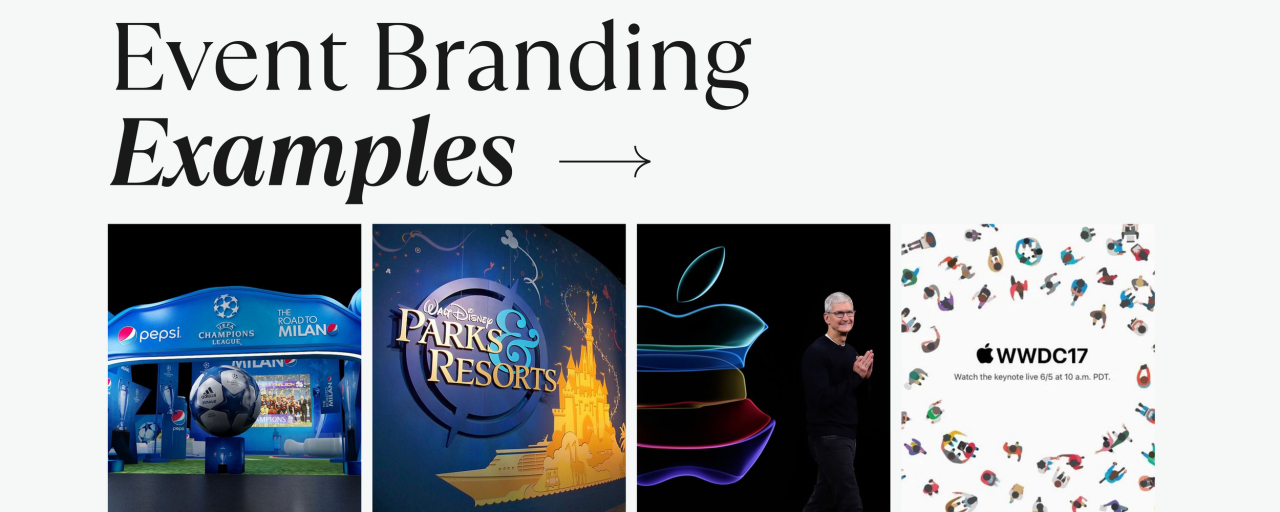
Creating an Unforgettable Experience: Your Ultimate Guide to Event ...

When utilizing branding irons, it’s vital to follow best practices to ensure safety and effectiveness. The process of branding not only involves the technique but also the necessary precautions to avoid injuries and achieve optimal results. Adhering to these practices will enhance the branding experience for both the user and the materials being branded.Understanding the proper techniques for applying a branding iron can significantly impact the quality of the branding results.

Ensuring that you use your branding iron correctly will prevent damage to materials and enhance the clarity of the brand.

Safety Tips for Using Branding Irons

Using branding irons comes with inherent risks due to the high temperatures involved. Prioritizing safety can help mitigate these risks and ensure a secure branding process. Here are some essential safety tips to keep in mind:

  • Always wear protective gear, including heat-resistant gloves and safety goggles, to shield yourself from heat and potential splatter.
  • Make sure you have a stable and secure working surface to prevent accidents while handling the branding iron.
  • Keep flammable materials away from the branding area to reduce the risk of fire hazards.
  • Allow the branding iron to cool down completely before storing it to prevent burns and injuries.

Proper Techniques for Applying a Branding Iron

The technique employed when using a branding iron is crucial for achieving a clear and long-lasting impression. Proper application ensures that the brand is not only visible but also durable. Here are the recommended techniques for applying a branding iron:

  • Preheat the branding iron adequately, ensuring it reaches the appropriate temperature for your material type.
  • Position the branding iron firmly on the material, applying even pressure to avoid uneven marks.
  • Hold the branding iron in place for the recommended time, typically ranging from 5 to 15 seconds, depending on the material.
  • Remove the branding iron steadily to leave a clean mark without smudging or dragging.

Dos and Don’ts When Using Branding Irons

Knowing what to do and what to avoid when using branding irons can greatly enhance the branding experience. Here’s a structured list of dos and don’ts to guide your branding process effectively:

Understanding the dos and don’ts of using branding irons can help you achieve the best results while ensuring safety and efficiency:

Following these guidelines will allow for a successful branding experience.

Dos

  • Do test the branding iron on a scrap piece of material before branding to check the heat and pressure required.
  • Do clean the branding iron regularly to maintain its effectiveness and prevent residue buildup.
  • Do ensure your workspace is well-lit to see clearly while applying the branding iron.
  • Do keep your branding iron plugged in only when in use to avoid overheating.

Don’ts

  • Don’t rush the branding process; take your time to achieve a quality mark.
  • Don’t apply excessive pressure that could damage the branding iron or the material being branded.
  • Don’t leave the branding iron unattended while it’s heating up.
  • Don’t use a branding iron on materials that aren’t suitable for heat application, such as plastic.

The Role of Branding in Business Success

Branding plays a pivotal role in shaping how customers perceive a business and its offerings. A strong brand identity not only creates recognition but also fosters trust and loyalty among consumers. When businesses effectively convey their values, mission, and unique selling propositions through branding, they create a lasting emotional connection with customers that can significantly influence purchasing decisions.Effective branding strategies can be observed in various successful companies that utilize branding irons to enhance their image.

For instance, brands like Harley-Davidson and Coca-Cola utilize their branding elements to evoke strong emotional responses and establish a loyal customer base. Their branding iron names are not only memorable but also embody the spirit and culture associated with their respective industries, creating a deeper bond with their clientele.

Influence of Branding on Customer Loyalty

Branding significantly impacts customer loyalty by creating a sense of belonging and identity among consumers. When customers associate a brand with quality, consistency, and values that resonate with them, they are more likely to return for repeat purchases. The relationship between branding and customer loyalty can be illustrated through several key factors:

  • Consistency: A consistent brand message across all platforms builds trust and reliability. For example, companies like Apple maintain a uniform brand image which reinforces customer expectations.
  • Emotional Connection: Brands that evoke emotions tend to create stronger bonds with their customers. Nike, with its empowering messages, inspires loyalty through shared values.
  • Community Building: Successful brands often create communities around their products, encouraging customers to feel part of something larger. For instance, Starbucks fosters a community culture that keeps customers coming back for the experience of being part of their brand.

Branding Strategies of Successful Companies

Examining the branding strategies of successful companies reveals valuable insights into how the effective use of branding irons can enhance market presence. These companies often emphasize distinct visual identities, compelling narratives, and consistent messaging. Some notable strategies include:

  • Unique Visual Identity: Companies like McDonald’s utilize iconic logos and colors that are easily recognizable worldwide, reinforcing their brand presence.
  • Narrative-Driven Marketing: Brands such as Dove use storytelling to connect with their audience, focusing on real beauty and self-esteem, which resonates deeply with consumers.
  • Customer Engagement: Successful companies often engage with their customers on social media and through experiential marketing, thus enhancing brand loyalty and awareness.

Long-term Benefits of a Strong Branding Iron Name

Having a strong branding iron name can lead to numerous long-term benefits that contribute to a business’s overall success. A distinctive branding iron name can help establish a solid market presence and foster customer trust over time. Here are some key advantages:

  • Brand Recognition: A memorable branding iron name becomes synonymous with quality and reliability, making it easier for customers to choose your products over competitors.
  • Increased Valuation: Strong brands often have higher valuations due to their perceived equity, which can enhance negotiation power during mergers and acquisitions.
  • Market Differentiation: A unique branding iron name helps businesses differentiate themselves in a crowded market, making it easier to capture and retain customer attention.

Case Studies of Successful Branding Iron Usage

The effective usage of branding irons has been a pivotal strategy for many companies, enhancing their brand recognition and product authenticity. This section explores notable case studies where branding irons have played a critical role in marketing and product differentiation. Understanding these implementations provides valuable insights into effective branding strategies and their outcomes.

Successful Companies Utilizing Branding Irons

Several companies have effectively integrated branding irons into their operations, creating distinct identities and memorable products.

  • Smith & Sons Leather Goods: This company utilizes a custom branding iron to imprint their logo on leather products. The branding process not only adds a tactile element to their goods but also communicates quality and craftsmanship, leading to increased consumer trust and loyalty.
  • Blacksmith & Forge: Using branding irons to mark their handmade tools, this company emphasizes authenticity and tradition. By showcasing the branding process in their marketing, they connect with customers who value artisanal craftsmanship, resulting in a strong niche market presence.
  • Artisan Chocolates: A gourmet chocolate company employs branding irons to imprint their logo on chocolate bars. This unique branding method reinforces their premium image and enhances the gifting experience, which has led to increased sales during holidays and special occasions.

Branding Strategies and Outcomes

The strategies employed by these companies highlight the effectiveness of branding irons in building brand equity and consumer engagement. Each case reflects a focused approach to branding, aligning with the company’s overall marketing strategy.

“A well-placed brand mark can elevate a product’s perceived value significantly.”

  • Enhanced Brand Recognition: Companies that use branding irons have reported higher brand recall. For instance, Smith & Sons Leather Goods saw a 30% increase in customer recognition after implementing their branding iron.
  • Increased Value Perception: When Artisan Chocolates branded their products, customers perceived them as premium offerings. This resulted in a 25% increase in sales, particularly in gift categories.
  • Strengthened Customer Loyalty: Blacksmith & Forge’s commitment to craftsmanship has fostered a loyal customer base. Many customers resonate with the brand’s story of tradition, leading to repeat purchases and referrals.

Lessons Learned for Future Branding Iron Initiatives

The experiences from these companies provide important takeaways for businesses looking to implement branding irons effectively.

  • Align Branding with Core Values: Brands that successfully integrate branding irons do so by ensuring their branding aligns with their core values and product offerings.
  • Showcase the Process: Demonstrating the branding process can engage customers, making them feel part of the brand story and enhancing their connection to the product.
  • Focus on Quality: The quality of the branding iron and the materials being branded are paramount. High-quality marks reflect positively on the brand, reinforcing a message of excellence.

Ultimate Conclusion

In conclusion, the journey through the realm of branding irons underscores their vital role in creating a strong brand presence. A memorable branding iron name not only captures the essence of your brand but also fosters customer loyalty and recognition. As we’ve seen through various examples and strategies, investing in a powerful branding iron name can lead to substantial long-term benefits, making it an essential consideration for any business.

Essential Questionnaire

What materials are commonly used to make branding irons?

The most common materials include steel, brass, and aluminum, each offering different heat retention and durability levels.

Can branding irons be used on different materials?

Yes, branding irons can be used on wood, leather, and certain metals, making them versatile for various applications.

How long does it take to heat a branding iron?

Heating time varies based on the type of branding iron but typically ranges from 5 to 15 minutes for optimal results.

Are electric branding irons better than manual ones?

Electric branding irons offer consistent heat and quicker branding, while manual ones provide more control and are often more portable.

How can I create a memorable branding iron name?

Focus on simplicity, relevance, and uniqueness; consider using alliteration or puns to enhance memorability.


Branding iron devils lake beckons with a history rich in craftsmanship and tradition, offering a unique glimpse into the art of branding. This tool, steeped in historical significance, has shaped not only the agricultural landscape but also the cultural identity of the Devils Lake community.

From the materials and techniques that define its creation to the intricate designs that convey messages and identities, branding irons play an essential role in various industries, including agriculture and crafts. Local artisans have embraced this traditional craft, keeping the legacy alive and thriving.

Branding Iron Overview

Branding irons have held a significant place in both agricultural and cultural history, evolving from practical tools to symbols of identity and heritage. A branding iron is a metal instrument used to burn a distinctive mark into the hide of livestock, denoting ownership and preventing theft. This practice dates back centuries, particularly among cattle ranchers in the American West, where branding served as a practical means of identifying animals in vast grazing lands.The manufacturing of branding irons involves specific materials and techniques that ensure durability and effectiveness.

Traditionally, they are crafted from steel or iron due to their high melting points and resistance to corrosion. The fabrication process typically includes forging, which involves shaping the metal through heating and hammering, followed by hardening to preserve the design’s integrity when applied to hide. Brands can vary in complexity, often featuring initials, logos, or unique symbols that convey the owner’s identity and legacy.

Materials and Techniques Used in Manufacturing Branding Irons

The selection of materials and the methods utilized in making branding irons are crucial for their functionality and longevity. The most common materials include:

  • Steel: Known for its strength and ability to withstand high temperatures, steel is frequently used for professional-grade branding irons.
  • Iron: Historically favored for its availability and ease of use, iron branding irons are still popular among small-scale ranchers.
  • Brass: Occasionally used for decorative branding and bolt-on symbols due to its aesthetic appeal and resistance to rust.

Techniques for creating branding irons include:

  • Forging: This method involves heating the metal to a pliable state and shaping it using hammers and anvils, ensuring a strong and precise design.
  • Casting: Involves pouring molten metal into a mold, which allows for intricate designs to be created effectively and efficiently.
  • Machining: Precision tools and machinery are used to cut and shape the metal, particularly for detailed designs and symbols.

Common Designs and Symbols Found on Branding Irons

Branding irons often feature a variety of designs and symbols, each holding significance for the owner. These designs can range from simple initials to intricate logos representing a ranch or family legacy. Common types of symbols include:

  • Initials: Many brands consist of the owner’s initials, often stylized in a unique font to enhance their identity.
  • Logos: Custom logos can be created to represent the business or ranch, incorporating images like cattle, horses, or even landscapes.
  • Geometric Patterns: Simple shapes and patterns may be utilized for aesthetic appeal, often combining traditional and modern design elements.
  • Symbols of Heritage: Cultural symbols or motifs that reflect the owner’s background or heritage can also be incorporated into branding designs.

The significance of branding irons extends beyond mere identification; they represent a connection to history, tradition, and the land itself. Each branding iron tells a story of its owner, encapsulating generations of agricultural practices and familial ties.

Branding Iron in Devils Lake

The use of branding irons in Devils Lake has deep historical roots, reflecting the region’s rich agricultural heritage. Branding irons were once essential tools for ranchers, allowing them to identify livestock and establish ownership during a time when cattle were often mixed in communal grazing areas. This practice not only represented a method of marking but also symbolized a community’s commitment to farming and ranching traditions.Throughout the years, various local artisans and businesses have continued this tradition, providing custom branding irons to meet the needs of both ranchers and hobbyists.

These businesses often blend traditional techniques with modern innovations, ensuring that branding remains a relevant art form in Devils Lake.

Local Businesses and Artisans Specializing in Branding Irons

Several key players in Devils Lake contribute to the branding iron culture, each bringing unique craftsmanship to the table. Noteworthy entities include:

  • Devils Lake Metal Works: Known for its handcrafted branding irons, this business combines traditional blacksmithing techniques with modern design to create high-quality products.
  • Rancher’s Supply Co.: This local supply store offers a variety of branding irons and tools, catering to both novice ranchers and seasoned professionals.
  • Custom Branding Solutions: A small workshop run by a local artisan who specializes in custom designs, ensuring that each branding iron reflects the personality of its owner.

These establishments not only serve the practical purpose of providing branding tools but also uphold the cultural significance of branding within the community.

Anecdotes of Branding Iron Use in the Community

The stories surrounding branding irons in Devils Lake often highlight the deep connections between families and their land. One popular anecdote recalls a local rancher who, upon receiving his first branding iron as a gift from his father, felt an immense sense of pride and responsibility. This branding iron not only marked his cattle but also symbolized his family’s legacy in the ranching business.

Additionally, community events often celebrate branding traditions, with local ranchers gathering to share stories and techniques. These gatherings foster camaraderie, as stories are shared about the challenges and triumphs of livestock management, each tale often revolving around the branding process.

“A branding iron is not just a tool; it’s a family heirloom that carries the weight of tradition and identity.”

As branding irons continue to be used in Devils Lake, they remain vital in maintaining the strong connection between the past and present—a testament to the enduring spirit of the community.

Applications of Branding Irons

Branding irons have found their way into a multitude of industries, serving as essential tools for marking and personalizing a variety of products. Their versatility allows businesses, artisans, and farmers to create distinct identities for their goods while adding a touch of craftsmanship and uniqueness. This section explores the diverse applications of branding irons across different sectors, giving insight into their importance and impact.

Agriculture and Livestock

In the agricultural sector, branding irons are predominantly used for livestock branding. This traditional practice helps farmers identify and claim ownership of their animals, particularly in large herds. The branding not only serves practical purposes but also acts as a symbol of quality and heritage. For instance, cattle brands can convey specific lineage or breeding practices, which can affect market value and consumer trust.

Crafts and Artisanal Products

Craftsmen and artisans leverage branding irons to personalize their creations, adding a signature touch that enhances the product’s appeal. For instance, woodworkers may use branding irons to imprint their logo or a unique design onto furniture or wooden crafts, which can elevate the perception of quality. The branding technique used can vary; some artisans choose to experiment with different temperatures and pressure levels to create distinct effects on the material.

Personalization for Small Businesses

Small businesses benefit significantly from branding irons by offering personalized products to their customers. This application enhances customer experience and fosters brand loyalty. For example, a local bakery might use a branding iron to imprint logos or special messages on their baked goods, making them instantly recognizable and memorable. This level of personalization can differentiate their products in a competitive market, leading to increased sales and customer return rates.

Branding irons not only mark ownership but also infuse products with character, making each piece unique.

Unique Branding Techniques

Different techniques in branding can significantly influence the quality and aesthetics of the final product. For example, unique branding techniques can include the following:

  • Heat branding, which creates a deep, permanent mark on materials like leather and wood, enhancing durability and visual appeal.
  • Cold branding, a method used primarily in livestock, which is less painful and can result in a less noticeable mark while still serving its purpose.
  • Custom designs, where businesses can create intricate logos and patterns, allowing for greater creativity and differentiation in a crowded marketplace.

The effects of these techniques not only impact the branding quality but also the overall perception of the product, influencing consumer choices and preferences.

Crafting Custom Branding Irons

Creating a custom branding iron is an exciting venture that allows individuals and businesses to imprint their unique identity onto various materials. The process can be intricate, but with the right tools and techniques, you can bring your design to life effectively and efficiently. The crafting of custom branding irons begins with conceptualizing the design. This design process includes selecting a logo or symbol that represents your brand or personal aesthetic.

Once the concept is finalized, the next steps involve selecting the appropriate materials and following a structured process to create a functional branding iron.

Tools and Equipment for Crafting Branding Irons

Having the right tools is essential for producing high-quality branding irons. Here are the primary tools and equipment needed:

  • Metal Stock: Steel or brass is commonly used for the branding head due to its durability and heat retention properties.
  • Design Software: Software like Adobe Illustrator or CorelDRAW helps in creating and modifying the logo or symbol that will be used for the branding iron.
  • CNC Machine or Laser Cutter: These machines can precisely cut designs into the metal stock, ensuring accurate and clean results.
  • Heat Source: A propane torch or electric branding iron heater is necessary for heating the branding head to the required temperature for effective branding.
  • Safety Equipment: Protective eyewear and gloves are vital to ensure safety when working with metal and heat.

Designing a branding iron requires careful consideration of both aesthetics and functionality. The logo or symbol should be clear and easily recognizable when stamped.

Designing an Effective Branding Logo or Symbol

A well-crafted logo or symbol is crucial for creating a memorable brand identity. Here are some tips for effective design:

  • Simplicity: Aim for a simple design that is easily recognizable at various sizes. Complex designs may lose detail when transferred to a branding iron.
  • Contrast: Use distinct contrast in your design to ensure that the branding shows up clearly on different materials.
  • Originality: Your design should be unique to avoid confusion with other brands. Conduct research to ensure that your symbol or logo stands apart.
  • Scalability: Ensure that your logo can be resized without losing quality, as it may need to be used on various products.
  • Test Your Design: Create a prototype of your branding iron and conduct trials on various materials to see how well the design translates.

“The quality of your branding iron will reflect your brand’s professionalism and attention to detail.”

By following these guidelines and utilizing the right tools, you can successfully craft a custom branding iron that effectively represents your brand or personal style. Whether for personal use or commercial purposes, a well-designed branding iron can make a lasting impression.

Maintenance and Care for Branding Irons

Maintaining your branding irons is essential for ensuring they remain effective and durable over time. With the right cleaning and care routines, you can prevent common issues and prolong the lifespan of your tools. This section covers the essential steps for cleaning, troubleshooting, and safe storage of branding irons to keep them in excellent condition.

Cleaning and Maintenance Routines

Regular cleaning is vital for the proper functioning of branding irons. The buildup of residue can lead to ineffective branding and damage to the iron itself. Follow these steps for effective cleaning:

  • After each use, allow the branding iron to cool down completely to prevent burns.
  • Use a wire brush or scraper to remove any burnt residue or debris from the branding surface.
  • For stubborn residue, soak the branding iron in warm soapy water for a few minutes, then scrub gently.
  • Rinse the branding iron with clean water and ensure no soap remains.
  • Dry the iron thoroughly with a soft cloth to prevent rusting.

Common Issues and Resolutions

Branding irons may encounter a few common issues that can hinder their performance. Understanding these problems and how to resolve them can save you time and frustration:

  • Inconsistent Branding: This often results from uneven heating. Ensure that the branding iron is heated evenly before use. Test on a scrap surface.
  • Rust Formation: If your iron develops rust, use fine steel wool to scrub it away, then apply a light coat of oil to protect against future corrosion.
  • Difficulty in Heating: If the branding iron does not heat properly, check the power source and connections. Ensure that the voltage is appropriate and that the iron is securely plugged in.

Safe Storage Guidelines

Proper storage of branding irons is crucial to prevent damage and ensure they are ready for the next use. Here are some guidelines for safe storage:

  • Store branding irons in a cool, dry place to prevent rust and corrosion.
  • Avoid stacking heavy items on top of branding irons, as this can bend or warp them.
  • Use a dedicated storage rack or case that keeps the branding irons separated to prevent scratches or damage to the heating elements.
  • Consider applying a light oil coating to the metal surfaces before storage to provide a protective layer against moisture.

“Proper care and maintenance of your branding irons can significantly extend their lifespan and improve the quality of your branding results.”

Branding Iron Workshops and Events

In Devils Lake, branding iron workshops and events provide an engaging way to explore the art and craftsmanship behind branding. These gatherings not only enhance skills but also foster a community of like-minded enthusiasts. Participants can expect to gain hands-on experience while connecting with others who share their passion for branding techniques.One of the highlights of the branding culture in Devils Lake is the variety of workshops tailored to different skill levels.

These workshops focus on essential branding iron techniques that can benefit both beginners and seasoned crafters.

Available Workshops in Devils Lake

Several workshops cater to individuals eager to learn about branding irons. Here are some notable offerings:

  • Intro to Branding Irons
    -This workshop is designed for beginners, covering the basics of branding techniques, safety protocols, and an overview of different types of branding irons.
  • Advanced Branding Techniques
    -Aimed at those with prior experience, this workshop dives deeper into intricate designs and custom branding applications, allowing participants to refine their skills.
  • Custom Branding Iron Design
    -Participants can learn about the design process of creating custom branding irons, including material choices and design software.
  • Seasonal Branding Events
    -These workshops are themed around seasonal events, allowing participants to create unique branded items for holidays or local celebrations.

These workshops not only provide valuable skills but also a space for creativity and personal expression through branding.

Events Celebrating Branding and Craftsmanship

Devils Lake hosts various events that celebrate craftsmanship, particularly in the field of branding. These gatherings offer opportunities for networking, learning, and showcasing skills. The annual Devils Lake Craft Festival is a significant event where artisans demonstrate their crafts, including branding. Attendees can participate in live demonstrations and workshops, gaining insight into different techniques and tools used in branding.Additionally, the Branding Iron Showcase is a popular event where local craftsmen display their branded products and share their experiences.

This event emphasizes the importance of branding in local culture and attracts both enthusiasts and potential customers.

Participant Testimonials

Feedback from participants in branding workshops highlights the enriching experiences provided. Here are a few testimonials that reflect the impact of these workshops:

“The Intro to Branding Irons workshop was fantastic! I had no prior experience, but the instructor made everything easy to understand. I left with my own branded piece and a newfound passion.”

Sarah L.

“The Advanced Branding Techniques workshop pushed my skills to the next level. I learned so much about custom designs, and I can’t wait to implement what I’ve learned in my craft.”

Jake M.

“Attending the Craft Festival and seeing the Branding Iron Showcase was inspiring. It was amazing to meet other crafters and see their work!”

Emily R.

These testimonials demonstrate how the workshops and events in Devils Lake contribute to skill development, community building, and the promotion of branding as an art form.

The Future of Branding Irons

The branding iron industry is on the brink of transformation, driven by innovative technology and modern design concepts that cater to an evolving marketplace. With advancements in materials and production methods, branding irons are becoming more versatile and efficient while maintaining their traditional essence. This section explores the emerging trends, contrasts traditional methods with contemporary alternatives, and examines the environmental implications of branding iron production and use.

Emerging Trends in Branding Iron Technology and Design

The evolution of branding irons is closely linked to advancements in technology, which have paved the way for new design possibilities and enhanced functionality. Key trends include:

  • Laser Branding: Laser technology offers precision and flexibility that traditional methods cannot match. It enables intricate designs and the ability to brand various materials quickly, reducing production time significantly.
  • Smart Branding Irons: The rise of smart technology has introduced branding irons equipped with temperature control and programmable settings, allowing users to achieve consistent results without manual adjustments.
  • Eco-Friendly Materials: Manufacturers are increasingly utilizing sustainable materials in the creation of branding irons, such as recycled metals and biodegradable coatings, appealing to environmentally conscious consumers.
  • Customizable Options: Advances in 3D printing technology enable businesses and artisans to create completely custom branding irons tailored to specific needs, enhancing brand identity.

Comparison of Traditional Branding Methods with Modern Alternatives

Traditional branding methods, such as hot iron branding, have been used for centuries, primarily in livestock and crafts. However, modern alternatives are changing the landscape of branding. The differences are noteworthy:

  • Heat Source: Traditional branding typically uses a solid metal iron heated in a fire, whereas modern techniques may use electric heating elements or lasers that offer faster, more consistent heating.
  • Design Complexity: Traditional methods often limit designs to simple shapes, while modern branding techniques allow for detailed artwork, logos, and even text.
  • Time Efficiency: Conventional branding can be time-consuming, whereas advanced methods significantly reduce the time taken to heat the iron and apply the brand.
  • Versatility: New technologies enable branding on a wider range of materials, such as wood, leather, and even some plastics, expanding the appeal and utility of branding irons.

Environmental Impacts of Branding Iron Production and Use

The production and use of branding irons carry potential environmental implications that must be considered as the industry evolves. Sustainable practices are becoming essential:

  • Material Sourcing: The choice of materials plays a critical role in environmental impact. Sourcing metals responsibly and using recyclable materials can significantly reduce the ecological footprint.
  • Energy Consumption: Traditional methods can be energy-intensive; however, modern techniques like laser branding are often more energy-efficient, decreasing overall energy use in the production process.
  • Waste Reduction: Modern manufacturing techniques can reduce waste through precise cutting and minimal excess material, in contrast to traditional methods that often produce scraps.
  • Carbon Footprint: As companies adopt eco-friendly practices, the carbon footprint associated with branding iron production can decrease, contributing positively to climate change mitigation efforts.

Ultimate Conclusion

12 Inspiring Examples Of Corporate Branding

In conclusion, the journey through the world of branding iron devils lake reveals a vibrant tapestry of history, craftsmanship, and community engagement. As new trends emerge, the future of branding irons looks promising, blending tradition with innovation while continuing to inspire local artisans and businesses alike.

Common Queries

What is a branding iron?

A branding iron is a tool used to create a permanent mark on objects, commonly used in agriculture and crafts to signify ownership or brand identity.

How are branding irons made?

Branding irons are typically made from metal using techniques such as forging or casting, featuring designs that can be customized for various applications.

What industries use branding irons?

Branding irons are utilized in agriculture, crafts, small businesses, and even by artists for personalization and branding of products.

Are there workshops for learning branding iron techniques?

Yes, Devils Lake offers workshops focused on branding iron techniques where participants can learn how to create and use these tools effectively.

What maintenance is required for branding irons?

Proper maintenance includes regular cleaning, safe storage, and checking for wear or damage to ensure the branding iron functions correctly.

Marketing in management is more than just advertising; it’s a crucial function that shapes a company’s success. This guide delves into the core principles, strategies, and practical applications of marketing within a managerial context. We’ll explore its evolution, various strategies across different business types, and the essential role it plays in achieving business objectives.

Understanding marketing definitions in management is vital for anyone looking to enhance their managerial skills and contribute to a company’s growth. The guide examines the relationship between marketing and other departments like finance and operations, showcasing the interdependencies within a successful organization. It will equip readers with the knowledge to design effective marketing strategies tailored to different businesses and markets.

Defining Marketing in Management

Marketing, within the context of management, is the process of identifying, anticipating, and satisfying customer needs and wants profitably. It’s a crucial function that bridges the gap between a company’s products or services and its target market, ultimately driving revenue and achieving organizational objectives. This process involves a range of activities, from market research and product development to promotion and sales.Effective marketing strategies are critical for achieving sustainable growth and profitability in a competitive business environment.

A strong understanding of the target market, coupled with strategic planning and execution, is essential for success. Furthermore, marketing must work in harmony with other functional areas of the organization to ensure alignment and optimize resource allocation.

Concise Definition of Marketing

Marketing, in a managerial setting, is the strategic process of creating, communicating, and delivering value to customers and managing profitable customer relationships to achieve organizational goals. This definition encompasses the entire spectrum of activities from understanding customer needs to building long-term loyalty.

Key Objectives and Goals of Marketing

Marketing’s primary objectives in management are to generate revenue, build brand awareness, increase market share, and establish a strong customer base. These goals are achieved through a comprehensive understanding of the target market, the development of effective marketing strategies, and the consistent implementation of these strategies. Marketing aims to not only attract new customers but also retain existing ones, fostering loyalty and advocacy.

Relationship Between Marketing and Other Functional Areas

Marketing isn’t an isolated function; it’s deeply intertwined with other key areas of management, including finance, operations, and human resources. A well-functioning organization requires strong collaboration between these departments. Marketing’s needs for financial resources, operational support, and skilled personnel must be carefully considered and addressed.

  • Finance: Marketing strategies require financial resources for advertising, research, and development. Marketing plans must align with the company’s overall financial objectives and budget constraints. Marketing activities need to demonstrate a positive return on investment (ROI).
  • Operations: Marketing departments rely on the operational capabilities of the company to produce and deliver products or services efficiently and effectively. Effective supply chain management and production processes are crucial for timely delivery and customer satisfaction. Marketing strategies need to consider the production capacity and logistics of the company.
  • Human Resources: Marketing success depends on the skills and expertise of the marketing team. Recruitment, training, and motivation of skilled personnel are critical for effective implementation of marketing plans. Attracting and retaining talent is essential to achieve marketing goals.

Evolution of Marketing Definitions

The understanding and definition of marketing have evolved significantly over time, reflecting changing economic conditions, consumer behaviors, and technological advancements. This evolution is reflected in the changing emphasis on customer needs, product development, and promotional strategies.

Era Defining Characteristics Emphasis
Pre-1950s Production-oriented, focused on manufacturing efficiency. Product availability and cost
1950s-1980s Sales-oriented, focused on persuasive selling. Aggressive promotion and persuasion
1980s-2000s Market-oriented, focused on customer needs and wants. Understanding customer needs and preferences
2000s-Present Relationship-oriented, focusing on long-term customer relationships. Building loyalty, engagement, and long-term value

Marketing Strategies in Management

Effective marketing strategies are crucial for businesses of all sizes and types. They guide how a company connects with its target audience, builds brand awareness, and ultimately drives sales. This section will delve into different marketing strategies tailored for various business models, emphasizing the importance of market analysis and segmentation. It will also contrast traditional and digital marketing approaches and evaluate various marketing channels.Marketing strategies are dynamic plans designed to achieve specific objectives within a defined timeframe.

These plans must be adaptable to changing market conditions and consumer preferences. A well-structured strategy, incorporating data-driven insights and a deep understanding of the target audience, significantly increases the likelihood of achieving desired outcomes.

Marketing Strategies for Different Business Types

Different business types require tailored marketing strategies. Startups, for example, often focus on building brand awareness and acquiring initial customers. Established companies, on the other hand, prioritize customer retention and market share growth. Non-profit organizations may concentrate on fundraising and community engagement. These distinct needs shape the strategic approach for each type.

  • Startups: Startups often employ aggressive marketing tactics to establish a presence in a competitive market. This frequently includes leveraging social media platforms to create a buzz, offering limited-time promotions, and building strong community engagement. A key aspect is building a strong brand identity early on.
  • Established Companies: Established companies frequently focus on retaining existing customers and expanding market share. Their marketing strategies might emphasize brand loyalty programs, customer relationship management (CRM) systems, and targeted advertising campaigns to existing customer bases. They often analyze past data to improve strategies and refine their approach.
  • Non-profits: Non-profit organizations typically rely on community engagement and fundraising to maintain operations. Their marketing often focuses on storytelling to connect with potential donors and volunteers. They utilize a range of approaches, from social media campaigns to public events, to create a sense of community and drive donations.

Importance of Market Analysis

Comprehensive market analysis is fundamental to effective marketing strategy development. Understanding the market landscape, including consumer behavior, competitor activities, and industry trends, is critical for making informed decisions. This analysis enables companies to tailor their offerings to meet customer needs and adapt to changing market dynamics.Market analysis involves collecting, organizing, and interpreting data about a target market. This includes factors such as demographics, purchasing power, and consumer preferences.

This data allows companies to identify market gaps, potential opportunities, and competitive threats. A thorough analysis forms the foundation for effective marketing campaigns.

Role of Market Segmentation

Market segmentation involves dividing a broad target market into smaller, more manageable segments. This allows businesses to tailor their marketing efforts to the specific needs and preferences of each segment. This focused approach maximizes the impact of marketing activities and leads to a more effective allocation of resources.Segmentation criteria can include demographics (age, gender, income), psychographics (lifestyle, values, interests), geographic location, and behavioral factors (product usage, purchasing frequency).

By understanding the unique characteristics of each segment, companies can craft targeted marketing messages and develop product offerings that resonate with their specific needs.

Comparison of Marketing Approaches

Traditional marketing approaches, such as print advertising and television commercials, remain relevant, while digital marketing channels like social media and search engine optimization () have become increasingly important. The best approach often involves a combination of both, tailored to the specific business needs and target audience.

  • Traditional Marketing: Traditional marketing methods rely on established channels such as print ads, television commercials, radio ads, and direct mail campaigns. This approach can be effective for reaching a broad audience, but it can be expensive and less measurable compared to digital methods.
  • Digital Marketing: Digital marketing leverages online channels like social media, search engines, email, and websites. It offers greater precision in targeting specific demographics, measurable results, and cost-effectiveness compared to traditional methods. Digital marketing campaigns can be tracked and adjusted in real-time to maximize impact.

Comparison of Marketing Channels

A comprehensive marketing strategy often employs a variety of channels to reach the target audience. The choice of channels depends on factors like budget, target audience, and campaign goals.

Marketing Channel Pros Cons
Social Media Marketing Cost-effective, targeted advertising, high engagement potential Requires ongoing management, potential for negative feedback
Search Engine Optimization () Organic traffic, long-term benefits, cost-effective Time-consuming, results take time to materialize
Content Marketing Builds brand authority, attracts organic traffic, establishes thought leadership Time-consuming, requires consistent effort
Email Marketing Direct communication, high conversion potential, measurable results Requires a permission-based approach, email overload is a concern
Paid Advertising Fast results, highly targeted Costly, requires careful management, potential for wasted spend

Marketing Mix and Management Decisions

The marketing mix, often referred to as the 4Ps or 7Ps, is a crucial framework for businesses to effectively reach their target market and achieve their objectives. It’s a set of controllable marketing variables that businesses can adjust to adapt to changing market conditions and achieve a desired marketing outcome. This strategic approach allows businesses to tailor their offerings to resonate with specific customer segments, driving sales and maximizing profitability.Understanding and skillfully manipulating these variables is vital for any management team.

Successful implementation hinges on a thorough understanding of the target market, competitive landscape, and overall business goals. This allows management to create a unified and strategic marketing approach, rather than simply reacting to market forces.

Components of the Marketing Mix

The marketing mix encompasses several key elements that businesses utilize to position their products or services effectively in the market. The core 4Ps include Product, Price, Place, and Promotion. Additional elements, often considered as part of a more comprehensive 7Ps mix, include Process, People, and Physical Evidence.

  • Product: This encompasses the tangible or intangible offerings a business provides to consumers. It includes features, design, branding, quality, and packaging. A strong product strategy directly impacts customer perception and satisfaction. For instance, Apple’s product design, coupled with exceptional user experience, has cemented its position in the market.
  • Price: Pricing strategy is crucial for profitability. It involves setting the appropriate price points based on production costs, competitor analysis, and perceived value. A competitive pricing strategy can effectively position a product against competitors. For example, discount retailers often utilize lower prices to attract a budget-conscious customer base.
  • Place: This element refers to the distribution channels through which a product or service is made available to consumers. Effective distribution strategies are essential for ensuring product accessibility. This includes physical locations, online platforms, and partnerships with distributors. Consider the accessibility of online retailers like Amazon, which makes products available globally.
  • Promotion: This refers to the various methods used to communicate the value proposition of a product or service to the target market. This encompasses advertising, public relations, sales promotions, and direct marketing. Successful promotion strategies create awareness and drive demand. A prime example is Nike’s effective use of celebrity endorsements and compelling advertising campaigns to build brand recognition.

  • Process: This element focuses on the procedures and systems involved in delivering the product or service. Efficient processes streamline operations, ensuring customer satisfaction. Effective customer service processes are key to maintaining a positive brand image. For example, companies like Zappos are renowned for their exceptional customer service processes.
  • People: This involves the people representing the company in interactions with customers. Effective training and customer-centric approach create a positive brand experience. Well-trained customer service representatives play a vital role in customer satisfaction. Examples of companies prioritizing people include those in the hospitality sector, where a positive customer interaction is paramount.
  • Physical Evidence: This element encompasses the tangible aspects that communicate a company’s brand identity and service quality. This includes the physical environment, packaging, and other visual elements that customers encounter. A visually appealing and clean retail space can positively influence customer perception. A good example of this is the ambiance of a luxury hotel, which contributes significantly to the overall customer experience.

Adapting the Marketing Mix

Market conditions are constantly evolving. Businesses must adapt their marketing mix to remain competitive and achieve their objectives. This adaptability is crucial to maintain market share and relevance. Changes in consumer preferences, economic shifts, and technological advancements all necessitate adjustments to the marketing mix. A company like McDonald’s has demonstrated adaptability by introducing new menu items and adapting to changing consumer preferences.

Developing a Marketing Plan

A well-structured marketing plan is crucial for achieving business objectives. The plan should be regularly reviewed and adjusted as market conditions change. This ensures the marketing efforts remain aligned with the overall business strategy.

Step Marketing Mix Considerations
1. Situation Analysis Assess market trends, competitor activities, and internal resources. Consider how the 4Ps or 7Ps align with current market conditions.
2. Target Market Definition Identify the specific customer segments to be targeted. Tailor the 4Ps or 7Ps to resonate with the chosen segment’s needs and preferences.
3. Marketing Objectives Establish clear and measurable goals. Align the marketing mix to support these objectives.
4. Marketing Strategies Develop specific strategies for each element of the marketing mix (Product, Price, Place, Promotion, Process, People, Physical Evidence).
5. Implementation and Control Execute the plan and monitor progress against established metrics. Adapt the marketing mix based on performance data.

Branding Strategy and Marketing

A strong brand is more than just a logo; it’s a crucial asset for any organization. A well-defined brand fosters customer loyalty, differentiates a company from competitors, and ultimately drives profitability. In the context of management, a robust brand strategy significantly influences the overall success of marketing efforts.Effective branding strategy goes beyond simply creating a logo or a catchy tagline.

It involves understanding the target audience, defining the brand’s unique value proposition, and consistently communicating this message across all marketing channels. This consistent messaging builds brand recognition and fosters trust with consumers, ultimately translating to increased sales and market share.

Importance of a Strong Brand in Management

A strong brand significantly impacts a company’s bottom line. It acts as a valuable asset, recognized and valued by customers. This recognition leads to higher customer loyalty, which in turn translates to increased revenue and profitability. Furthermore, a strong brand can command premium pricing, as customers are willing to pay more for a trusted and recognized brand.

How Branding Strategy Supports Marketing Objectives

A well-defined branding strategy directly supports marketing objectives by providing a clear direction and consistent message. This ensures all marketing activities are aligned with the brand’s overall vision and values. This unity of message and action strengthens brand awareness and reinforces the brand identity, creating a powerful force in achieving marketing goals.

Connection Between Brand Identity and Customer Perception

Brand identity is the unique set of characteristics that define a company’s brand. These characteristics, including its values, personality, and visual elements, shape how customers perceive and interact with the brand. A strong brand identity cultivates a positive customer perception, leading to increased customer loyalty and advocacy.

Different Branding Strategies for Building a Strong Brand

Various strategies can be employed to build a strong brand. These include:

  • Brand Positioning: This involves defining the brand’s unique position in the market relative to competitors. This differentiation clarifies the brand’s value proposition, highlighting what sets it apart. For instance, a company might position itself as a premium provider of eco-friendly products.
  • Brand Storytelling: This involves creating narratives that connect with the target audience. A compelling story humanizes the brand and builds emotional connections with customers. Sharing the brand’s history, mission, and values can strengthen the brand’s identity and build trust.
  • Brand Personality: This strategy focuses on defining the brand’s personality traits. This could include attributes like friendly, innovative, or trustworthy. A consistent brand personality enhances customer recognition and reinforces brand identity.

Integrating Branding into Marketing Communications

Consistent brand messaging across all marketing channels is crucial. This includes websites, social media, advertising, and customer service interactions. Maintaining a cohesive brand identity in all communications creates a unified brand experience, solidifying customer perception and fostering brand loyalty.

Measuring the Effectiveness of Branding Efforts

Measuring the effectiveness of branding efforts involves tracking key metrics that reflect brand awareness and customer perception. These metrics might include brand recognition scores, social media engagement, website traffic, and customer surveys. Analyzing these metrics helps understand how branding strategies impact customer behavior and support marketing objectives.

Branding Strategies for Various Business Types

Business Type Suitable Branding Strategy Example
Startups Brand Storytelling, Brand Positioning A tech startup might focus on their innovative story and the problem they solve to position themselves in the market.
Established Companies Brand Reinforcement, Brand Refresh A large corporation might refresh its brand image to maintain relevance and competitiveness in the market.
Non-profit Organizations Brand Building, Cause-related Marketing A non-profit organization might focus on highlighting their mission and values to build trust and support from the public.

Marketing Metrics and Performance Measurement

Effective marketing relies heavily on quantifiable results. Tracking and analyzing key performance indicators (KPIs) provides a crucial lens through which to assess marketing initiatives’ success and inform future strategies. This section delves into the significance of metrics, common KPIs, data analysis, and the presentation of marketing performance data to management.

Key Performance Indicators (KPIs) in Marketing

KPIs are measurable values that demonstrate how effectively a marketing campaign achieves its objectives. Choosing the right KPIs is paramount for accurate performance evaluation. Different marketing objectives necessitate different KPIs. For example, a campaign focused on brand awareness might track social media engagement, while a sales-driven campaign would emphasize conversion rates and revenue generated.

  • Website Traffic: Website traffic metrics, such as unique visitors, page views, and bounce rate, offer insights into the effectiveness of marketing channels in driving online engagement.
  • Conversion Rates: Conversion rates represent the percentage of website visitors who complete a desired action, such as making a purchase or signing up for a newsletter. High conversion rates suggest effective marketing strategies in driving desired outcomes.
  • Customer Acquisition Cost (CAC): CAC is the total cost incurred to acquire a new customer. This metric aids in evaluating the efficiency of various marketing channels in generating leads and customers. Lower CAC signifies more efficient marketing efforts.
  • Customer Lifetime Value (CLTV): CLTV projects the total revenue a customer is expected to generate throughout their relationship with the company. A high CLTV indicates a profitable customer base and suggests successful marketing efforts in retaining customers.
  • Return on Investment (ROI): ROI quantifies the profitability of a marketing campaign by comparing the net profit generated to the total investment. High ROI indicates successful marketing investments.

Data Analysis for Marketing Effectiveness

Data analysis is crucial for identifying trends, patterns, and insights from marketing performance data. Advanced analytical techniques such as regression analysis and A/B testing allow marketers to understand the impact of different variables on marketing outcomes. Data visualization tools are essential for effectively communicating complex data to stakeholders.

Framework for Tracking and Analyzing Marketing Data

A structured approach to tracking and analyzing marketing data is essential. A framework should include the following:

  1. Establish clear objectives: Define specific, measurable, achievable, relevant, and time-bound (SMART) marketing goals to ensure data collected aligns with objectives.
  2. Select relevant KPIs: Choose KPIs that accurately reflect the progress toward established objectives. This involves considering the specific marketing campaign and its intended outcomes.
  3. Implement tracking mechanisms: Implement robust tracking systems across all relevant platforms, such as website analytics tools and CRM systems, to ensure accurate data collection.
  4. Regularly monitor and analyze data: Conduct regular reviews of KPIs to identify trends, patterns, and areas requiring adjustments. This may involve using dashboards or reporting tools.
  5. Document findings and insights: Maintain comprehensive records of data analysis findings and insights, making them easily accessible for decision-making.

Presenting Marketing Performance Data to Management

Presenting marketing performance data to management requires clarity and conciseness. Visualizations, such as charts and graphs, are crucial for conveying complex data effectively. Focus on key findings and actionable insights derived from the data. Highlight the impact of marketing efforts on overall business objectives.

Metric Example Data Interpretation
Website Traffic 10,000 unique visitors Indicates strong online presence and potential for conversions.
Conversion Rate 5% Shows effective strategies in driving desired outcomes.
CAC $50 per customer Indicates efficient marketing channels.

Ethical Considerations in Marketing Management

Marketing, at its core, is about connecting with consumers and building relationships. However, this connection must be forged ethically, fostering trust and respect. Ignoring ethical considerations can lead to severe consequences for businesses and damage their reputations. A robust ethical framework is crucial for long-term success and sustainability.

Ethical Considerations in Marketing Practices

Ethical marketing practices prioritize honesty, transparency, and fairness in all interactions with consumers and stakeholders. This encompasses truthful advertising, avoiding misleading claims, and respecting consumer privacy. Deceptive marketing tactics, such as false endorsements or exaggerated product claims, undermine consumer trust and can have legal repercussions.

Importance of Ethical Marketing in Building Trust with Stakeholders

Ethical marketing builds trust with consumers, investors, employees, and the wider community. Trust is the foundation of strong relationships. When a company consistently demonstrates ethical conduct, it fosters loyalty and strengthens its reputation. This loyalty translates into sustained customer relationships and a positive brand image. A company perceived as ethical is more likely to attract and retain talented employees and attract investors who value responsible business practices.

Examples of Unethical Marketing Practices and Their Consequences

Examples of unethical marketing practices include:

  • Deceptive Advertising: Misleading claims about product performance, ingredients, or benefits. This can result in lawsuits, loss of consumer trust, and damage to the company’s reputation. For instance, a company that falsely advertises a product as environmentally friendly when it isn’t, faces significant repercussions from consumers and regulatory bodies.
  • Exploitation of Vulnerable Consumers: Targeting consumers with limited knowledge or understanding of a product, often with aggressive or high-pressure sales tactics. Examples include targeting children with inappropriate products or misleading elderly individuals with financial schemes. These practices can lead to legal action and significant reputational damage.
  • Misleading Packaging or Labeling: Creating misleading packaging or labeling that misrepresents the contents or origin of a product. This can damage the company’s reputation and result in legal action.

Role of Corporate Social Responsibility in Marketing Strategy

Corporate Social Responsibility (CSR) plays a vital role in ethical marketing. CSR initiatives address social and environmental issues beyond a company’s core business operations. This includes sustainable practices, community involvement, and fair labor standards. A strong CSR program demonstrates a commitment to ethical conduct and can enhance a company’s image and brand loyalty.

How Ethical Marketing Contributes to Long-Term Sustainability

Ethical marketing fosters long-term sustainability by building a positive reputation and fostering trust with stakeholders. This reputation attracts customers, investors, and employees, ensuring the long-term success of the company. Ethical practices are essential for maintaining a positive relationship with consumers, contributing to the company’s long-term profitability and resilience.

Developing an Ethical Marketing Framework for a Company

A comprehensive ethical marketing framework should include:

  1. Code of Conduct: Clearly define ethical principles and standards for all marketing activities. This code should Artikel expectations for truthfulness, transparency, and fairness in communication and product development.
  2. Ethical Guidelines for Marketing Decisions: Establish a set of guidelines to assess the ethical implications of all marketing decisions, ensuring alignment with the company’s values and the needs of its stakeholders.
  3. Mechanisms for Addressing Ethical Concerns: Implement processes for reporting and resolving ethical issues that may arise in marketing operations. This includes establishing channels for feedback and complaints.
  4. Regular Audits and Evaluations: Conduct regular audits and evaluations of marketing practices to ensure adherence to ethical standards and identify areas for improvement. This process helps maintain ethical standards and adapt to evolving circumstances.

Ultimate Conclusion

In conclusion, marketing definition in management encompasses a multifaceted approach to achieving business goals. From understanding the historical context of marketing to crafting effective branding strategies and using data-driven insights, this guide has provided a thorough overview of the essential elements of successful marketing management. We hope this overview has equipped you with a solid foundation to navigate the complexities of marketing in today’s dynamic business landscape.

FAQ Section

What is the difference between digital and traditional marketing?

Digital marketing utilizes online channels like social media and websites, while traditional marketing relies on offline methods such as print advertising and television commercials. Each has its own strengths and weaknesses, and the optimal approach often involves a combination of both.

How do I choose the right marketing KPIs for my business?

The best KPIs depend on your specific business goals. Consider factors like website traffic, conversion rates, customer acquisition cost, and brand awareness when selecting metrics that accurately reflect your company’s performance.

What are some common ethical concerns in marketing?

Ethical concerns include misleading advertising, deceptive pricing strategies, and exploiting vulnerable consumers. Maintaining transparency and honesty is crucial for building trust and a positive brand reputation.

How can I measure the ROI of a marketing campaign?

Measuring return on investment (ROI) involves comparing the cost of the campaign to the revenue generated. Track key metrics like customer acquisition cost and revenue generated to determine the campaign’s effectiveness.

Branding Style Guides Com offers a deep dive into the world of visual consistency. This resource explores the creation, application, and maintenance of effective branding style guides, ensuring a cohesive brand image across all platforms.

From defining core brand elements to understanding practical applications and strategic considerations, this guide provides a thorough understanding of crafting and maintaining a style guide. It also dives into the importance of brand consistency and its effect on different teams and marketing materials.

Defining Branding Style Guides

A branding style guide is a crucial document that Artikels the visual and verbal elements used to represent a brand. It serves as a single source of truth, ensuring consistent brand messaging and visual identity across all platforms and touchpoints. This document acts as a comprehensive reference for designers, marketers, and other stakeholders, guaranteeing a unified and recognizable brand experience.This guide details the essential components of a strong branding style guide, encompassing visual and written aspects.

It emphasizes the benefits of a well-defined guide, providing practical examples of effective usage and a structured template for implementing a comprehensive brand identity system.

Comprehensive Definition of a Branding Style Guide

A branding style guide, often called a brand book or brand manual, is a meticulously crafted document that codifies the visual and verbal elements that define a brand. It meticulously Artikels how the brand should be presented across all platforms, from marketing materials to social media. It’s a living document that evolves with the brand, ensuring consistency and recognition.

Key Components of a Branding Style Guide

A comprehensive branding style guide typically includes several key components, ensuring a unified and recognizable brand experience. These components contribute significantly to brand consistency.

  • Logo Usage: Detailed specifications regarding the logo’s usage, including variations (e.g., primary, secondary, and variations for different contexts). This section addresses acceptable placements, sizes, and color variations. This is critical for maintaining brand recognition and visual cohesion across all applications.
  • Typography: This section defines the fonts, font sizes, and font weights to be used in all brand communications. It specifies which fonts are appropriate for headings, body text, and other elements, ensuring a consistent and recognizable visual hierarchy.
  • Color Palette: A defined range of colors that represent the brand. This section includes detailed information about the RGB and hexadecimal values of each color, along with the context in which each color should be used. Consistent color usage reinforces brand recognition.
  • Imagery and Photography Style: Guidelines for the type of images and photography used in marketing materials. This includes specifications for image style, tone, and composition to create a consistent and recognizable brand aesthetic.
  • Tone of Voice and Brand Messaging: This section Artikels the brand’s personality and voice. It defines the style of language used in all written communications, from website copy to social media posts. This section defines the desired emotional connection and the overall feel of the brand’s communication.
  • Brand Story and Mission Statement: This provides context for the brand’s purpose and values. It helps stakeholders understand the brand’s core principles and how they translate into visual and verbal elements. This section helps maintain the consistency of the brand’s identity.

Purpose and Benefits of a Well-Defined Branding Style Guide

A well-defined branding style guide offers numerous benefits for businesses. It promotes brand consistency, improves brand recognition, and streamlines the design process.

  • Consistency: A style guide ensures that all brand communications adhere to the same standards, fostering a consistent and recognizable brand image across various platforms and mediums.
  • Efficiency: It streamlines the design process, reducing errors and time spent on ensuring brand consistency. Designers and marketers can quickly access the guide for guidance, thereby increasing efficiency.
  • Recognition: A consistent brand identity leads to enhanced brand recognition and recall among consumers. Consistent branding helps consumers connect with and remember the brand easily.
  • Professionalism: A well-designed style guide reflects a professional and organized approach to branding, showcasing a commitment to consistency and quality.

Examples of Effective Branding Style Guide Usage

Many successful brands effectively leverage their branding style guides to maintain a consistent brand image. For instance, Apple’s consistent use of clean lines, minimalist design, and a specific color palette in its products and marketing materials reinforces brand recognition. Similarly, Coca-Cola’s iconic red color and distinctive typography are key elements in their branding style guide, creating a recognizable and enduring brand identity.

Basic Table Structure of a Branding Style Guide

The following table Artikels the common sections of a branding style guide:

Section Description
Logo Usage Guidelines for logo placement, size, and variations.
Typography Specification of fonts, font sizes, and weights.
Color Palette Definition of colors and their usage.
Imagery Guidelines for image style, tone, and composition.
Tone of Voice Description of the brand’s voice and personality.
Brand Story Description of the brand’s mission and values.

Analyzing Branding Style Guide Content

A well-crafted branding style guide is crucial for maintaining brand consistency across all platforms and materials. It acts as a roadmap, ensuring that all visual and written elements reflect the brand’s identity. However, creating a truly effective guide requires careful consideration of various factors.Effective branding style guides are more than just a collection of rules; they’re a living document that guides brand expression.

They ensure the brand’s voice and visual language remain consistent, regardless of the medium or team member. A well-structured style guide saves time and resources by preventing misinterpretations and inconsistencies.

Common Pitfalls in Branding Style Guides

Poorly defined brand guidelines can lead to inconsistencies, diluting the brand’s identity and message. Common pitfalls include vague or contradictory descriptions of the brand’s personality, unclear typography rules, and missing or inconsistent visual examples. A lack of clear guidelines for social media usage can also lead to significant problems, potentially causing brand confusion or misrepresentation.

Different Approaches to Creating Branding Style Guides

Different businesses and industries adopt various approaches to crafting their style guides. Some prioritize a highly detailed, comprehensive approach, covering every conceivable aspect of brand expression. Others favor a more concise and focused guide, concentrating on the most critical elements of the brand. The ideal approach is highly dependent on the brand’s complexity and the specific needs of the target audience.

Importance of Consistency in Branding Style Guides

Consistency in a branding style guide is paramount. It ensures that the brand’s identity is consistently communicated across all channels and touchpoints. This reinforces brand recognition, builds trust with the audience, and promotes a unified brand experience. Inconsistencies can confuse customers and erode brand credibility.

Creating a User-Friendly Style Guide

A user-friendly style guide is essential for seamless adoption by different teams. This includes clear and concise language, well-organized sections, and comprehensive visual examples. Use a logical structure, employing headings and subheadings to facilitate easy navigation. Including a glossary of terms and abbreviations will also aid understanding. The guide should be easily accessible through a centralized online platform, ensuring all teams can access the most current version.

Elements for a Visually Appealing Style Guide

Visual appeal enhances the usability and impact of a style guide. Consider using a professional and clean design aesthetic, including high-quality images and graphics. Maintain a consistent color palette and typography throughout the document. Use clear, concise language and incorporate a table of contents and index for easy navigation. Incorporate examples of the brand’s logo in various contexts.

Examples of Branding Style Guide Structures in Different Industries

Different industries may structure their branding style guides in diverse ways. A technology company might emphasize detailed specifications for UI/UX elements, while a fashion brand might focus on specific color palettes and garment details. A food brand may highlight different food photography styles and specific terminology. A financial institution will often emphasize transparency and regulatory compliance in its branding style guide.

Industry Focus Areas
Technology UI/UX elements, typography, color palettes
Fashion Color palettes, garment details, photography styles
Food Food photography styles, terminology, recipe specifications
Finance Transparency, regulatory compliance, specific terminology

Branding Style Guides and Practical Application

A well-defined branding style guide is a crucial document for any company aiming to maintain a consistent and recognizable brand image across all platforms. It acts as a blueprint, outlining the visual and communication elements that represent the brand. A comprehensive style guide ensures a unified brand experience for customers, strengthening brand recognition and loyalty.A branding style guide goes beyond aesthetics; it establishes a framework for brand communication.

This framework ensures all marketing materials, from advertisements to social media posts, convey a cohesive message and maintain a consistent tone of voice. This consistency fosters a strong brand identity, allowing consumers to readily identify and connect with the brand across various touchpoints.

Visual Identity Impact

A branding style guide significantly impacts a brand’s visual identity. It meticulously defines the brand’s color palette, typography, imagery style, and logo usage. These guidelines ensure that all visual elements are consistent, creating a recognizable and memorable brand aesthetic. By meticulously specifying acceptable variations in logo usage, including size, placement, and positioning, the style guide ensures the brand’s visual identity is preserved across all platforms.

This meticulous control fosters a unified visual language that strengthens brand recognition.

Maintaining Brand Consistency

A style guide plays a vital role in maintaining brand consistency across diverse platforms. It provides clear guidelines for how the brand should be represented on websites, social media channels, marketing materials, and other touchpoints. By outlining the correct usage of brand assets, the style guide minimizes inconsistencies and ensures a unified brand experience for customers. This includes specifying appropriate font styles, colors, and image treatments, thereby ensuring a cohesive visual identity across all platforms.

For instance, a consistent color palette across a company website, social media posts, and print brochures helps build immediate brand recognition.

Improved Communication Between Departments

A style guide acts as a crucial communication tool between design teams and other departments. By providing clear guidelines for brand representation, it ensures that everyone involved in brand communication understands the brand’s visual identity and tone of voice. This fosters better collaboration and avoids misunderstandings. A well-defined style guide empowers all departments to maintain brand consistency in their respective communications, leading to a unified brand experience for customers.

For example, a marketing team can easily refer to the style guide to ensure that their advertisements adhere to the brand’s established color scheme and font choices.

Application Examples

A style guide is applicable to various marketing materials. It ensures a consistent brand presence, from brochures and advertisements to websites and social media posts. A style guide clarifies the appropriate usage of brand colors, fonts, and imagery, thereby enhancing brand recognition and memorability. These guidelines ensure all materials convey a unified message and brand personality.

Marketing Material Application

Marketing Material How a Style Guide Affects It
Brochures Brochures should use the specified fonts, colors, and imagery to match the overall brand identity. The style guide ensures consistency in tone and message.
Social Media Posts Style guides dictate the permissible color palettes, fonts, and image styles for social media content. This consistency reinforces brand recognition and maintains a uniform online presence.
Advertisements Advertisements should adhere to the defined brand colors, fonts, and overall visual style. This ensures a cohesive brand experience across all marketing channels.
Websites Websites must maintain the specified brand colors, fonts, and imagery to maintain consistency and a unified brand experience.

Branding Style Guides and Brand Strategy

A strong brand strategy is the bedrock upon which a successful brand is built. A well-defined brand strategy encompasses the overall vision, mission, and values of a company, guiding all aspects of its operations. A branding style guide, a critical component of this process, provides a detailed blueprint for how the brand’s identity is expressed visually and verbally across all touchpoints.A well-crafted style guide ensures consistent brand messaging and visual presentation, reinforcing the brand’s personality and values, ultimately contributing to achieving the objectives Artikeld in the brand strategy.

It acts as a living document, adaptable to evolving market needs while remaining rooted in the core brand strategy.

Relationship between Style Guides and Brand Strategy

A branding style guide is not a standalone document; it’s an extension of the overall brand strategy. It translates the strategic vision into tangible, actionable guidelines. The style guide’s purpose is to codify the brand’s personality, values, and messaging, ensuring consistent application across all platforms.

How a Style Guide Helps Achieve Brand Objectives

A well-defined style guide acts as a powerful tool in achieving brand objectives. By standardizing visual and verbal communication, it ensures that all brand interactions reflect the desired brand personality and values. This consistency builds brand recognition and reinforces the brand message, ultimately contributing to achieving sales targets and fostering customer loyalty. The style guide helps streamline the entire branding process by providing clear guidelines for all stakeholders.

Style Guide Reflection of Brand Personality and Values

The style guide effectively reflects the brand’s personality and values. A brand’s personality, whether playful, sophisticated, or rugged, is visually and verbally conveyed through the style guide’s elements. For example, a playful brand might utilize bright colors and playful typography, while a sophisticated brand might opt for elegant fonts and muted tones. These choices are deliberate and reflect the brand’s underlying personality and values.

Examples of Brand Strategy Influence on Style Guides

A brand strategy heavily focused on sustainability might influence the style guide by incorporating eco-friendly color palettes and using recycled materials in promotional materials. A brand prioritizing innovation might incorporate modern typography and bold imagery to project a forward-thinking image. Consider a luxury brand; their style guide would likely feature high-quality imagery, elegant fonts, and sophisticated color palettes.

Comparison of Brand Strategies and Style Guides

Different brand strategies necessitate different branding style guides. A company focused on a broad consumer base might use a more approachable style guide, while a company targeting a niche market might adopt a more sophisticated and targeted style guide. A brand focused on technology might incorporate futuristic elements, while a brand focused on traditional values might incorporate classic elements.

The style guide should directly reflect the target market and brand positioning.

How Style Guides Evolve a Brand

A branding style guide is not a static document; it’s a living instrument that can adapt and evolve as the brand itself evolves. As the brand matures and faces new market challenges, the style guide can be updated to reflect these changes. This flexibility allows the brand to remain relevant and adaptable to evolving market trends while maintaining its core identity.

Brand Personality Reflection in Style Guides

Brand Personality Visual Elements Verbal Elements
Playful Bright colors, bold typography, whimsical imagery Informal tone, playful language, conversational style
Sophisticated Muted tones, elegant typography, high-quality imagery Formal tone, sophisticated language, refined vocabulary
Rugged Natural tones, bold typography, realistic imagery Direct tone, action-oriented language, robust vocabulary

Style Guide Maintenance and Evolution

A robust branding style guide is not a static document; it’s a living, breathing reflection of a brand’s identity. Maintaining its accuracy and relevance is crucial for consistent brand messaging across all platforms and touchpoints. Regular updates ensure the guide remains a reliable resource for everyone involved in brand communication.Updating a style guide is an iterative process that mirrors the brand’s evolution.

As the brand adapts to changing market trends, customer needs, and internal strategic shifts, the style guide should adapt accordingly. This dynamic approach ensures that the brand’s visual identity and communication voice consistently align with its current objectives and positioning.

Importance of Style Guide Maintenance

Maintaining a branding style guide ensures brand consistency across all touchpoints. Inconsistencies in visual elements or messaging dilute brand recognition and create a fragmented customer experience. A well-maintained guide streamlines brand communication, fostering a unified brand identity.

Updating the Style Guide as the Brand Evolves

The brand evolution process necessitates periodic style guide updates. New brand campaigns, rebranding efforts, or shifts in target audiences may require modifications to the guide. For instance, a company expanding into new markets might need to adjust its color palette or typography to resonate with a wider audience. These adaptations ensure the guide’s content reflects the current brand identity.

Involving Stakeholders in Maintenance

A collaborative approach to style guide maintenance fosters buy-in and ensures broad understanding. Stakeholders from various departments, including marketing, design, communications, and even customer service, should be involved in the update process. This input ensures diverse perspectives are considered, leading to a more comprehensive and relevant style guide. Input from these stakeholders also builds ownership and commitment to maintaining brand consistency.

Best Practices for Keeping the Style Guide Current

Regular reviews of the style guide, ideally on a quarterly or annual basis, are recommended. This allows for proactive identification of outdated information or inconsistencies. Reviewing feedback from customer interactions and competitor analysis can also inform the need for revisions. The key is to adapt the guide to align with evolving brand messaging and aesthetics.

Ensuring Style Guide Accessibility

Ensuring all teams and departments have access to the style guide is essential for maintaining brand consistency. Digital platforms, shared online drives, and intranet portals are effective ways to provide centralized access. Clear access permissions and regular updates to the guide will help ensure everyone is using the most current version. Consider a centralized repository to make updates and access easier for all parties.

Managing Revisions and Updates Effectively

Implementing a clear revision control system for the style guide is vital. Version numbering, dated updates, and detailed change logs allow everyone to easily track the most recent version. A well-defined process, like a collaborative platform for comments and suggestions, enhances transparency and ensures everyone is aware of the changes. Example: A versioning system like “Style Guide v1.0, v1.1, v1.2” with corresponding change logs, ensures clarity on the latest iterations.

Ultimate Conclusion

In conclusion, a well-crafted branding style guide is a powerful tool for maintaining brand consistency and enhancing communication across various teams and platforms. This comprehensive guide has demonstrated the key aspects of effective branding style guides and the importance of consistent maintenance.

Popular Questions

What are the common pitfalls to avoid when creating a branding style guide?

Ambiguity in definitions, lack of clear visual examples, and insufficient stakeholder involvement are common pitfalls. A well-defined style guide should leave no room for misinterpretation.

How does a branding style guide affect marketing materials?

It ensures consistency in logos, typography, color palettes, and imagery across brochures, social media posts, advertisements, and other marketing materials, fostering a cohesive brand experience.

What is the importance of maintaining a branding style guide?

Maintaining a style guide is crucial for brand consistency and ensures the brand’s visual identity remains consistent and recognizable across all platforms over time.

How can I ensure all teams and departments have access to the style guide?

Centralized online access with version control is essential. This allows for easy access and ensures everyone is working with the most up-to-date version.

Branding Iron Restaurant, a new establishment in Wichita Falls, Texas, promises an unforgettable dining experience. This restaurant is meticulously crafted to appeal to a diverse customer base, combining a unique ambiance with a mouthwatering menu. From its distinctive logo design to its strategic digital marketing plan, every detail reflects a commitment to excellence and community engagement.

The restaurant’s comprehensive approach to branding and marketing aims to establish it as a prominent culinary destination in Wichita Falls. A deep understanding of the local market and competitors is integrated into the business plan, ensuring a sustainable and thriving future for Branding Iron Restaurant.

Restaurant Profile

The Branding Iron, a new restaurant in Wichita Falls, Texas, aims to be more than just a place to eat; it’s a culinary experience rooted in the city’s rich history and its vibrant community spirit. The restaurant’s design and menu showcase the region’s unique flavors and traditions, while providing a welcoming and comfortable atmosphere for all.

Restaurant Description

The Branding Iron is envisioned as a family-friendly restaurant with a rustic yet modern ambiance. Exposed brick walls, reclaimed wood accents, and comfortable seating areas create a warm and inviting atmosphere. Large windows allow natural light to flood the dining room, fostering a connection with the outdoors. Live music, strategically placed throughout the dining area, will complement the restaurant’s laid-back atmosphere.

Unique Selling Propositions (USPs)

The Branding Iron distinguishes itself through a combination of factors. First, its menu highlights locally sourced ingredients whenever possible. Second, the restaurant offers a diverse selection of classic American dishes with a Texan twist. Third, a commitment to sustainable practices will further enhance its appeal to eco-conscious diners. Finally, the restaurant actively seeks to support local farmers and artisans through partnerships and collaborations.

Target Customer Base

The target customer base includes families, couples, and individuals seeking a quality dining experience in a comfortable and welcoming environment. The restaurant caters to those seeking familiar favorites with a modern twist, as well as those who appreciate the unique flavor profiles and locally sourced ingredients.

Logo Concept

The logo design will feature a stylized branding iron, incorporating a modern interpretation of the classic image. The color palette will use warm tones, like burnt orange and deep brown, representing the restaurant’s rustic appeal. Complementary accents of deep green and mustard yellow will highlight the restaurant’s commitment to local sourcing and community engagement. The typography will be a bold and readable font, such as a serif typeface with a strong presence.

Mission Statement and Values

The Branding Iron’s mission is to provide a memorable dining experience that celebrates the rich culinary heritage of Wichita Falls while supporting the local community. The restaurant values quality ingredients, sustainability, and community engagement, reflected in every aspect of its operations. The restaurant strives to create a welcoming and inclusive atmosphere where everyone feels valued.

Restaurant History and Background

The Branding Iron will be a new venture in Wichita Falls, aiming to become a beloved local institution. The owners have extensive experience in the food industry, drawing inspiration from their personal travels and experiences to develop a unique menu and atmosphere. They are deeply committed to contributing to the growth and vibrancy of the Wichita Falls culinary scene.

Key Features

Feature Description Location Contact
Location 123 Main Street, Wichita Falls, TX 76301 Downtown Wichita Falls (123) 456-7890
Hours Monday-Thursday: 11:00 AM – 9:00 PM
Friday-Saturday: 11:00 AM – 10:00 PM
Sunday: 11:00 AM – 8:00 PM
Central Business District [email protected]
Menu Highlights Texas-style BBQ, fresh seafood, locally-sourced produce, craft cocktails Close to downtown brandingiron.com

Competitive Analysis

The Wichita Falls restaurant scene is vibrant, with a variety of options catering to different tastes and budgets. Understanding the competitive landscape is crucial for The Branding Iron to establish a strong position and attract its target audience. This analysis examines key competitors, their strategies, pricing models, potential customer pain points, and highlights The Branding Iron’s unique selling points.

Competitive Landscape Overview

Wichita Falls boasts a mix of casual dining establishments, family-friendly restaurants, and upscale options. Direct competitors include local favorites like “The Rusty Spur,” “The Cattleman’s Grill,” and “Chili’s Grill & Bar.” Indirect competition comes from fast-casual chains and other eateries in the area.

Main Competitors and Their Strategies

The primary competitors employ diverse marketing strategies. “The Rusty Spur,” for example, emphasizes a classic, down-home Texan atmosphere with a focus on traditional dishes. “The Cattleman’s Grill” highlights a robust menu featuring steaks and seafood, attracting a clientele seeking more sophisticated dining experiences. Chili’s Grill & Bar leverages its national brand recognition and a familiar menu to draw a wide customer base.

Pricing Strategies and Potential Models

Pricing strategies vary significantly. “The Rusty Spur” and “The Cattleman’s Grill” often use tiered pricing based on portion size and meal choices. Chili’s Grill & Bar, due to its established presence, employs a more standardized pricing structure. The Branding Iron can consider a tiered pricing system to reflect varying dish complexity and options, offering both value-oriented and premium choices.

Customer Pain Points

Potential customer pain points include limited parking options, long wait times on weekends, or lack of specific dietary choices. To address these concerns, The Branding Iron could implement measures like expanded parking areas or a more efficient ordering system.

Comparative Analysis Table

Feature The Branding Iron The Rusty Spur The Cattleman’s Grill Chili’s Grill & Bar
Menu Focuses on elevated comfort food, including gourmet burgers and artisanal sides. Offers classic Texan dishes with an emphasis on hearty portions. Features a menu with a wider variety of steaks, seafood, and upscale sides. Provides a standard menu of American fare, with appetizers, entrees, and desserts.
Ambiance Modern and rustic, with a focus on a warm and inviting atmosphere. Classic Texan, with a relaxed and welcoming atmosphere. Upscale and sophisticated, with a more intimate dining experience. Lively and casual, with a focus on a fun and social atmosphere.
Pricing A tiered pricing structure with both value-oriented and premium options. Generally more affordable pricing on traditional dishes. More expensive, reflecting the higher quality of food and service. Consistent pricing, offering a familiar value proposition.
Target Audience Families, couples, and individuals seeking a diverse dining experience. Families and individuals looking for traditional Texan food. Couples and individuals looking for a more sophisticated dining experience. Families, couples, and individuals seeking a casual dining experience.

Target Audience

Branding Iron Restaurant in Wichita Falls aims to attract a diverse yet specific clientele. The restaurant seeks to cultivate a loyal following by understanding and catering to the needs and preferences of its ideal customer. This target audience will form the core of the restaurant’s success.

Demographics and Psychographics

The ideal customer for Branding Iron is a blend of demographics and psychographics. They are likely to be residents of Wichita Falls and surrounding areas, ranging in age from 25 to 65. The restaurant will appeal to individuals and families alike, with an emphasis on those who appreciate a classic, upscale dining experience. They may be professionals, empty nesters, or families seeking a quality meal out.

A key psychographic is a preference for high-quality, well-prepared food, and an appreciation for a comfortable and welcoming atmosphere.

Motivations and Needs

This target audience is motivated by a desire for a satisfying and memorable dining experience. They value well-prepared food, attentive service, and a comfortable ambiance. Their needs include a reliable and consistent dining option offering diverse menus and special occasions options. They seek a place where they can relax, enjoy quality time with loved ones, and celebrate life’s moments.

Their expectations include high-quality food, excellent service, and a clean, inviting atmosphere.

Dining Preferences and Expectations

The target audience values a variety of options on the menu, including classic American dishes, steakhouse selections, and unique specials. They appreciate the quality of ingredients and expect dishes to be prepared with care and attention to detail. They often prefer a more upscale, formal dining environment, while still wanting a welcoming and friendly atmosphere.

Communication Channels

The target audience uses various communication channels, including social media platforms like Facebook and Instagram, local community forums, and online reviews. Word-of-mouth recommendations also play a significant role in their dining decisions.

Desired Customer Experience

The desired customer experience at Branding Iron is one of comfort, elegance, and attentive service. Guests should feel welcome from the moment they enter, and staff should provide personalized service that anticipates their needs. A visually appealing and clean restaurant environment, along with high-quality, well-presented food, will contribute to a memorable dining experience.

Target Audience Characteristics

Age Income Lifestyle Dining Preferences
25-65 $40,000 – $150,000+ Professionals, families, empty nesters Quality food, attentive service, comfortable atmosphere
35-55 $50,000 – $100,000+ Active individuals, couples, families Variety of options, high-quality ingredients, special occasion dining
55-65 $60,000 – $120,000+ Empty nesters, retired professionals Comfort, familiar favorites, attentive service, a relaxed atmosphere

Digital Marketing Strategy

Branding Iron Restaurant in Wichita Falls, Texas, will leverage a multi-faceted digital marketing approach to attract customers, build brand awareness, and drive sales. This strategy combines website optimization, engaging social media presence, targeted advertising, and compelling content marketing to reach the desired target audience effectively.This plan details the key elements of the digital marketing strategy, including website design, social media engagement, online advertising, email marketing, content marketing, and optimization.

The plan focuses on building a strong online presence that resonates with the restaurant’s brand identity and customer base.

Website Design

The restaurant’s website will be user-friendly and visually appealing, reflecting the restaurant’s ambiance and menu. It will feature high-quality images of the food and restaurant interior, detailed menu descriptions, online ordering capabilities, reservation systems, and contact information. Clear calls to action will encourage users to make reservations, place orders, and follow the restaurant’s social media accounts.

Social Media Engagement

Social media will play a crucial role in building brand awareness and fostering customer engagement. The restaurant will maintain active profiles on platforms like Facebook, Instagram, and potentially TikTok, showcasing enticing images and videos of food, behind-the-scenes glimpses, and engaging content related to local events.

Social Media Platforms for Promotions, Customer Engagement, and Brand Awareness

Specific strategies for each platform will be developed. For example, Instagram will focus on high-quality food photography and visually appealing content. Facebook will be used to share updates, engage with customers through contests, and promote special offers. TikTok could be utilized for short, engaging videos showcasing the restaurant’s atmosphere or popular dishes. Consistent posting schedules and engaging content are crucial to maintain interest.

Email Marketing Strategy

Email marketing will be employed to nurture leads, promote special offers, and provide valuable information to subscribers. Email templates will be visually appealing, incorporating high-quality images of the restaurant’s food and atmosphere. Content will include exclusive offers, event announcements, and information about new menu items. Email marketing will be integrated with the website to capture email addresses and encourage sign-ups.

Content Marketing Plan

A blog will be maintained to share interesting stories about the restaurant, local community events, and the culinary arts. The blog will also provide recipe ideas, food pairings, and seasonal specials. This will attract customers, showcase the restaurant’s expertise, and establish it as a valuable resource within the local community.

Search Engine Optimization ()

A comprehensive strategy will optimize the website and content for relevant s to improve search engine rankings. This includes optimizing page titles, meta descriptions, and image alt text, ensuring that the restaurant is easily discoverable by potential customers searching online for dining options in Wichita Falls. Local will be crucial for targeting nearby customers.

Branding Iron Restaurant’s Social Media Presence

The restaurant’s social media presence will be characterized by visually appealing content, high-quality photos and videos of food, and engaging captions. Hashtags will be strategically used to increase visibility and reach a wider audience. Engagement will be fostered through responding to comments and messages promptly, asking questions, and running contests or giveaways.Example Instagram Post: A high-resolution image of a mouthwatering steak dish with a descriptive caption highlighting the dish’s ingredients and the restaurant’s commitment to quality.Example Hashtag Usage: #BrandingIronWichitaFalls, #WichitaFallsFoodie, #TexasSteak, #LocalRestaurant

Social Media Calendar

  • October 26, 2024
    -Post showcasing a new fall menu item with a tempting image. Use relevant hashtags and tag local influencers for increased visibility.
  • October 27, 2024
    -Share a customer testimonial with a picture of a satisfied customer. Encourage engagement by asking for feedback in the comments.
  • October 28, 2024
    -Promote a happy hour special with an engaging video highlighting the discounted drinks and appetizers. Run a contest to win a free meal.
  • October 29, 2024
    -Share a behind-the-scenes glimpse of the kitchen, featuring the chefs preparing a signature dish. Highlight the restaurant’s commitment to fresh, locally-sourced ingredients.
  • October 30, 2024
    -Share an article from the local newspaper about the restaurant, highlighting its recent success. Include a call to action encouraging followers to visit.

Visual Identity

Branding is crucial for a restaurant’s success, establishing a distinct identity that resonates with the target audience. A strong visual identity fosters brand recognition and memorability, ultimately driving customer loyalty and repeat business. A cohesive visual strategy, encompassing color palettes, logo design, and imagery, helps communicate the restaurant’s personality and values to potential patrons.

Color Palette

The color palette plays a significant role in conveying the restaurant’s atmosphere and personality. A warm, inviting palette might evoke feelings of comfort and nostalgia, while a vibrant, modern palette might suggest energy and excitement. The palette should align with the restaurant’s overall brand identity and target audience. For Branding Iron, a palette of warm, earthy tones, such as terracotta, burnt orange, and deep brown, might be considered, complementing the rustic charm of the restaurant.

These colors can be contrasted with accents of rich, deep reds for the branding logo and elements.

Logo Design

The logo is the visual representation of the restaurant’s brand. It should be memorable, easily recognizable, and effectively communicate the restaurant’s essence. For Branding Iron, a logo incorporating a stylized branding iron, perhaps with a subtle, modern twist, could be highly effective. The logo should be versatile enough to be used across various platforms and materials, from menus to signage to social media.

The logo should be easily scalable, ensuring its clarity across different sizes.

Imagery Style

Imagery style should be consistent with the overall brand aesthetic. High-quality photographs of the food, the restaurant’s interior, and its atmosphere are essential. For Branding Iron, a rustic, warm, and inviting style, featuring natural lighting and detailed food photography, could effectively convey the restaurant’s appeal. Using professional food photographers who specialize in high-quality food photography is highly recommended.

Menu Design

The menu is a vital visual touchpoint for the customer. The menu design should complement the overall brand aesthetic. A menu featuring high-quality photography, a clear font style, and an intuitive layout enhances the dining experience. For Branding Iron, a menu with a rustic, vintage feel could complement the restaurant’s ambiance. The menu should be easy to navigate and visually appealing, showcasing the restaurant’s culinary offerings.

Signage and Uniforms

Consistent signage across the restaurant, including the exterior and interior, is important for brand recognition. The signage should complement the logo and color palette. Uniforms for staff should be functional, professional, and consistent with the restaurant’s branding. For Branding Iron, consider uniforms in muted earth tones, accented by a subtle branding iron design. Exterior signage could use warm, inviting lighting and fonts that complement the restaurant’s logo and color scheme.

Interior and Exterior Design

The restaurant’s interior and exterior design should be cohesive with the overall visual identity. The ambiance should evoke the restaurant’s brand personality. For Branding Iron, a rustic, warm, and inviting design, with comfortable seating and natural light, could enhance the dining experience. Exterior design should align with the interior theme and brand identity. A welcoming entrance with outdoor seating could further enhance the customer experience.

Visual Consistency

Maintaining visual consistency across all platforms and marketing materials is paramount. This includes the logo, color palette, imagery style, and typography. This consistency builds brand recognition and reinforces the restaurant’s identity. A comprehensive style guide, outlining the rules for logo usage, color application, and font selection, ensures visual uniformity.

Branding Guidelines

A set of branding guidelines is essential for maintaining consistency. These guidelines should detail the usage of the logo, colors, and fonts, ensuring brand integrity across all platforms. These guidelines should be readily available to all staff and marketing personnel.

Visual Branding Element Description Application Examples Considerations
Logo Stylized branding iron Restaurant signage, menus, website, social media Scalability, clarity at various sizes
Color Palette Warm earthy tones (terracotta, burnt orange, deep brown) with accents of rich red Restaurant interior, uniforms, menus, signage Consistency across all visual elements
Imagery Style Rustic, warm, inviting Food photography, interior shots, promotional images High quality and professional
Menu Design Rustic, vintage feel Clear font, high-quality food photos Easy navigation and readability
Signage Warm, inviting lighting, complementary fonts Exterior and interior signage Alignment with logo and color palette
Uniforms Muted earth tones with subtle branding iron design Staff attire Professionalism and brand consistency

Menu Strategy

The menu is a critical component of any restaurant’s success, directly impacting customer experience and profitability. A well-crafted menu should reflect the restaurant’s unique brand identity and cater to the target audience’s preferences. A thoughtfully designed menu, including descriptions, presentation ideas, and pricing, helps to establish a clear value proposition for customers. Special promotions and seasonal menus keep things interesting and provide an incentive for repeat business.

Sample Menu

The Branding Iron’s menu emphasizes high-quality, locally sourced ingredients whenever possible, showcasing classic American fare with a modern twist. Our menu is designed to provide a satisfying dining experience, from appetizers to desserts.

Dish Descriptions

This section details each dish, highlighting ingredients, preparation methods, and presentation ideas.

  • Texas Ribeye Steak: A 10-ounce USDA Prime ribeye, grilled to perfection, served with roasted garlic mashed potatoes and asparagus. The steak is seared to a rich brown exterior and cooked to an internal temperature of 130-135°F (54-57°C) for medium-rare. Presentation involves plating the steak on a bed of mashed potatoes with asparagus spears on the side. A drizzle of truffle oil enhances the richness of the dish.

  • Chicken Fried Quail: Tender quail, breaded and fried to a golden brown, served with a creamy mushroom gravy and roasted root vegetables. The quail is carefully breaded to ensure even cooking. The presentation features a nest of root vegetables with the chicken fried quail in the center. A small dollop of gravy completes the plate.
  • Blackened Catfish: Pan-seared catfish, blackened with a spicy blend of herbs and spices, served with creamy grits and sauteed collard greens. The catfish is seasoned generously with the blackened spice blend, ensuring a savory flavor profile. The dish is presented with a portion of creamy grits and sauteed collard greens, complementing the savory fish.
  • Grilled Salmon with Lemon-Dill Sauce: Fresh, sustainably-sourced salmon, grilled to a flaky texture, topped with a vibrant lemon-dill sauce and served with quinoa and steamed broccoli. The salmon is seasoned with salt and pepper and grilled to a safe internal temperature of 145°F (63°C). The plate is visually appealing, showcasing the flaky salmon with the vibrant lemon-dill sauce, quinoa, and steamed broccoli.

    The presentation is designed to highlight the fresh, healthy ingredients.

Special Promotions

Regular promotions, such as happy hour specials and weekly deals, are crucial for driving customer traffic and generating buzz. Seasonal menus allow the restaurant to adapt to changing tastes and availability of ingredients.

  • Happy Hour: Enjoy discounted appetizers and drinks from 4:00 PM to 6:00 PM daily. This is an excellent way to attract early-evening customers.
  • Summer Menu: Highlight fresh, light dishes like grilled vegetables, salads, and lighter entrees to cater to the summer heat. Offer seasonal fruits in desserts.

Menu Photography

Visual appeal is critical in showcasing dishes. High-quality photographs should highlight the presentation, texture, and colors of each dish. Natural lighting and attractive backgrounds enhance the visual appeal of the menu.

  • Photography Tips: Capture the food from multiple angles to showcase different aspects of the dish. Use a professional photographer to ensure high-quality images.

Food Safety Procedures and Standards

Maintaining high standards of food safety is paramount. The restaurant must adhere to all local and national regulations and implement a comprehensive food safety program.

  • Procedures: Implement strict temperature control measures for food storage and preparation. Ensure proper handwashing procedures are followed by all staff members. Maintain detailed records of food handling and preparation.

Menu Table

The table below showcases the restaurant’s menu with descriptions and prices.

Dish Description Price Notes
Texas Ribeye Steak 10-oz USDA Prime ribeye, roasted garlic mashed potatoes, asparagus $28.99 Medium-rare
Chicken Fried Quail Tender quail, creamy mushroom gravy, roasted root vegetables $24.99
Blackened Catfish Pan-seared catfish, creamy grits, sauteed collard greens $22.99
Grilled Salmon with Lemon-Dill Sauce Fresh salmon, lemon-dill sauce, quinoa, steamed broccoli $26.99

Closure

Branding iron restaurant wichita falls texas

In conclusion, Branding Iron Restaurant in Wichita Falls, Texas, is poised to become a local favorite. Through meticulous planning encompassing branding, competitive analysis, target audience identification, and a robust digital strategy, the restaurant aims to deliver an exceptional dining experience and a strong connection to the community. The unique selling propositions, detailed menu, and strong visual identity will undoubtedly contribute to its success.

FAQ Explained

What are the restaurant’s hours of operation?

The operating hours will be listed in the table of key features within the restaurant profile.

What are some popular menu items?

A detailed menu will be presented in the menu strategy section, featuring unique dishes and special promotions.

How can I make reservations?

Reservation details will be provided on the restaurant’s website and through other contact methods.

What is the restaurant’s return policy?

The return policy will be clearly Artikeld in the restaurant’s policies.